
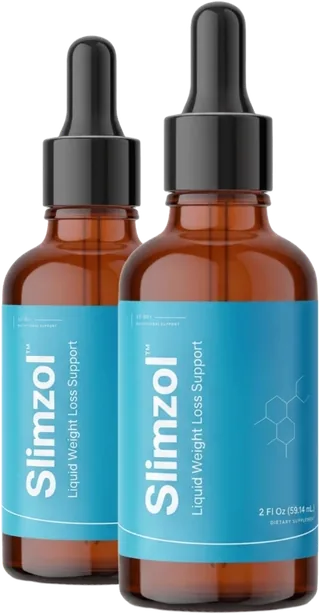
Slimzol Drops drug interactions have not been studied, but several ingredients on the label are known to matter with certain medicines. Slimzol Drops are a liquid dietary supplement with a 21-ingredient blend that includes grapefruit seed, Panax ginseng, astragalus, a licorice-derived compound and two caffeine sources, all at amounts that are not printed. This page lists what to ask a pharmacist about each one, so you can bring the bottle and get a clear answer before your first dose.
Do Slimzol Drops interact with medications?
Nobody has tested Slimzol Drops with any medicine, so no specific interaction is known for the drops themselves. Several of their ingredients, though, are flagged by official sources for interactions with particular drugs.
NCCIH warns that some interactions between medicines and supplements can be serious, and advises telling every provider you see about everything you take.1 Because the blend amounts are not printed, a pharmacist can only judge from the ingredient names. That is enough to spot the questions worth asking, which is the point of this page. Never stop or change a prescribed medicine on your own to make room for a supplement. Your medicine was chosen for a reason; the drops were not.
Which Slimzol Drops ingredients matter for medicines?
Five ingredients or ingredient groups on the label are the ones to raise: grapefruit seed, Panax ginseng, astragalus, monoammonium glycyrrhizinate and the caffeine sources. The table gives the short version.
| Ingredient on the label | Medicines to ask about | Source |
|---|---|---|
| Grapefruit (Citrus paradisi) seed | Some statins, some blood pressure drugs, organ-transplant drugs, some anti-anxiety and heart-rhythm drugs | FDA (on grapefruit juice and fruit) |
| Ginseng (Panax ginseng) root extract | Diabetes medicines, blood thinners, some other medicines | NCCIH |
| Astragalus membranaceus root extract | Medicines that dampen the immune system | NCCIH |
| Monoammonium glycyrrhizinate (from licorice) | Corticosteroids; any medicine, especially with heart or kidney conditions | NCCIH |
| Green tea leaf extract and guarana (caffeine) | Stimulant medicines and some other medicines | FDA |
Each row describes the ingredient in general, not the drops. The sections below explain each one and what it does and does not tell you.
Does the grapefruit seed in Slimzol Drops affect medicines?
We do not know. FDA warns that grapefruit juice and fresh grapefruit can change how some drugs work, but its advice does not cover grapefruit seed extract, which is what the label lists.2
The drugs FDA names include some statins, some blood pressure drugs, organ-transplant drugs, some anti-anxiety drugs, some heart-rhythm drugs and an antihistamine. Grapefruit seed is a different part of the fruit, and we found no official source in our library on whether it acts the same way. So if you take any medicine whose label warns about grapefruit, ask your pharmacist directly about the seed extract in the drops. FDA also suggests reading your medicine's own label and asking a pharmacist when unsure.
Can Panax ginseng interact with diabetes medicines or blood thinners?
NCCIH says Asian ginseng may lower blood sugar and may interfere with blood clotting and with some medicines.3 That is why it matters if you take diabetes medicines or a blood thinner.
The label lists Panax ginseng root extract 12th of 21 in the blend, at an amount that is not printed. NCCIH also notes that ginseng may make autoimmune disorders worse and may be unsafe in pregnancy, though the label already rules out pregnant and nursing women. If you check your blood sugar at home or take an anticoagulant, mention the ginseng specifically.
What about astragalus and immune medicines?
NCCIH says astragalus may interact with medicines that dampen the immune system, and that people with an autoimmune disease should avoid it.4 It also says there is not enough reliable evidence to know if it helps any condition.
That makes astragalus the ingredient to raise if you take medicine after an organ transplant or for an autoimmune condition. It is sixth on the blend list. Our botanicals page has a short note on each plant extract in the blend.
Why does the licorice compound matter with medicines?
The blend lists monoammonium glycyrrhizinate, made from glycyrrhizin, the licorice-root component. NCCIH reports interactions between glycyrrhizin and corticosteroids, and advises asking a provider if you take any medicine.5
NCCIH also says glycyrrhizin can cause serious effects, such as an irregular heartbeat, especially in large amounts or with long-term use, and that even small amounts have been linked to severe effects in people with high blood pressure, heart or kidney conditions, or a high salt intake. If you take a corticosteroid, a blood pressure medicine or a heart medicine, put this ingredient at the top of your list.
Does the caffeine in Slimzol Drops interact with medicines?
The drops list green tea leaf extract and guarana seed extract, both natural caffeine sources, but print no caffeine figure. Any caffeine in a serving is part of the 15.47 mg blend.
FDA advises people who take medicines to ask a provider about caffeine, and lists a fast heartbeat, trouble sleeping, anxiety and jitters among the signs of too much.6 Ask in particular if you take a stimulant medicine, or a medicine that already lists caffeine or sleep problems as concerns. Our caffeine page covers the two sources.
What should you bring to the pharmacist?
Bring the bottle or a clear photo of the full label, a list of every medicine and supplement you take, and the questions from the screener below. The screener lets you tick the medicines or conditions that apply and gives you the matching ingredient questions; it is not medical advice.
Tick what fits, such as a statin, a blood thinner, diabetes medicine, a corticosteroid or an immune medicine, and copy the questions it builds.
Tool · Check first
Check-first screener
Tick anything that applies. You get the ingredient-specific questions to take to your pharmacist with the bottle. It starts a conversation; it is not medical advice.
Nothing ticked yet. If none apply, still read the label and follow the serving.
A pharmacist can check your list against the ingredient names in a few minutes. Ask for the answer to be written down or noted on your record, so the next pharmacist sees it too. If you use more than one pharmacy, tell each one.
Do other supplements you take matter too?
Yes. Other supplements count as much as prescriptions when a pharmacist checks for overlaps, so list every one you take, including multivitamins, teas and powders. The same ingredient can turn up in more than one product.
Chromium is the clearest example. The drops list 7 mcg of chromium as chromium picolinate, the one fully disclosed amount on the panel, and many multivitamins contain chromium as well. Green tea extract and caffeine are also common in other products sold in this category. Add them up with your pharmacist rather than guessing. Our chromium page puts the 7 mcg in context.
Several blend ingredients, including eleuthero, gymnema, L-tyrosine, L-tryptophan and GABA, have no official fact sheet in our source library, so we cannot list interactions for them. That is not the same as saying there are none. Ask your pharmacist to check those names too, especially if you take medicine for mood, sleep or your thyroid.
What should you never do with your medicines?
Never stop, skip or change a prescribed medicine to make room for a supplement. If a pharmacist or doctor finds a concern, the supplement is the thing to leave out, not the medicine.
- Do not take more than one dropperful a day; the label says not to exceed the dose.
- Do not start the drops in the week before a planned procedure without telling the team.
- Do not assume a plant ingredient is harmless because it is plant-based.
- Do not rely on an ad or review for interaction advice.
- Do tell every prescriber, dentist and pharmacist that you take the drops.
What if you notice a problem after starting?
If you notice anything unusual after starting the drops alongside a medicine, stop the drops and contact your prescriber or pharmacist. Keep taking your prescribed medicine unless they tell you otherwise.
Get urgent care for chest pain, a racing or irregular heartbeat, fainting, unusual bleeding or trouble breathing. Keep the bottle so the lot number and full label are on hand. Our side effects page lists what official sources say about each ingredient, and our safety page collects the label's cautions.
Where do you go from here?
The next step is a short conversation with your pharmacist, with the bottle in hand. Most of the questions on this page can be answered in one visit, and the answers will stay useful every time your prescriptions change. If you start a new medicine later, run the same check again before you carry on with the drops.
If you get the all-clear and decide to order, you can see the packs at the seller's checkout. For the full ingredient list in label order, see our ingredients page.
Questions people ask
Can I take Slimzol Drops with a statin?
Ask your pharmacist first. Slimzol Drops list grapefruit seed extract, and FDA warns grapefruit juice and fruit can affect some statins; no official source we cite covers the seed extract.
Can I take Slimzol Drops with a blood thinner?
Ask your prescriber first. Slimzol Drops contain Panax ginseng, which NCCIH says may interfere with blood clotting.
Are Slimzol Drops safe with diabetes medicine?
Check with your doctor or pharmacist. Slimzol Drops list Panax ginseng, which NCCIH says may lower blood sugar.
Can I take Slimzol Drops with a corticosteroid?
Ask your prescriber first. Slimzol Drops contain a licorice-derived compound, and NCCIH reports glycyrrhizin interactions with corticosteroids.
Should I stop my medicine to take Slimzol Drops?
No. Never stop a prescribed medicine to take Slimzol Drops. If there is a concern, leave out the supplement and talk to your prescriber.
Sources for this page
- NCCIH: Some Medication-Supplement Interactions Can Be Serious. www.nccih.nih.gov
- FDA: Grapefruit Juice and Some Drugs Don't Mix. www.fda.gov
- NCCIH: Asian Ginseng. www.nccih.nih.gov
- NCCIH: Astragalus. www.nccih.nih.gov
- NCCIH: Licorice Root. www.nccih.nih.gov
- FDA: Spilling the Beans, How Much Caffeine Is Too Much?. www.fda.gov
These statements have not been evaluated by the Food and Drug Administration. This product is not intended to diagnose, treat, cure, or prevent any disease. Safety: Slimzol Drops are a dietary supplement, not a medicine. Adults 18+ only; the label says one dropperful daily and not to exceed it. Not for pregnant or nursing women, and anyone with a known medical condition should ask a physician first. The blend lists caffeine sources (green tea and guarana), Panax ginseng, astragalus, a licorice-derived compound and grapefruit seed, which can matter with heart, blood pressure, diabetes, blood-thinning, immune-suppressing or other medicines. The drops contain xylitol, which is dangerous to dogs. Ask your doctor or pharmacist first and never stop prescribed treatment. This site is an independently run information site about Slimzol Drops; the owner states it is a U.S. stocking partner for Slimzol. It is not the maker. We may earn money when you order through links marked as sponsored. The seller sets prices, shipping and refund terms; we show them as listed when we checked, so confirm at the live checkout.
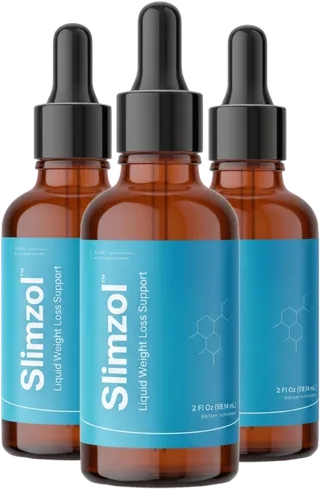
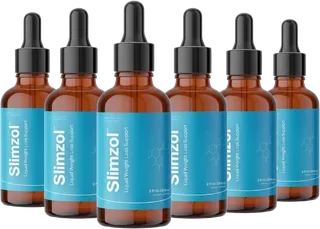
 1 dropperful daily
 30 servings a bottle
 60-day money-back
